Kashi Vishwanath is the spiritual heart of Banaras and one of the most visited temples in India. This guide brings together everything you need for a smooth, peaceful darshan: aarti timings, booking, rules, the best route and how to avoid the crowds.
At a glance
OpenAbout 3 AM – 11 PM
Daily aartis5
General darshanFree
Time needed1–3 hours
Mobile phonesNot allowed inside
Best timeWeekday early morning
In this guide
Why Kashi Vishwanath matters
Kashi Vishwanath, 'the Lord of the Universe', is one of Lord Shiva's 12 Jyotirlingas. Devotees believe that a darshan here, together with a dip in the Ganga, leads to moksha.
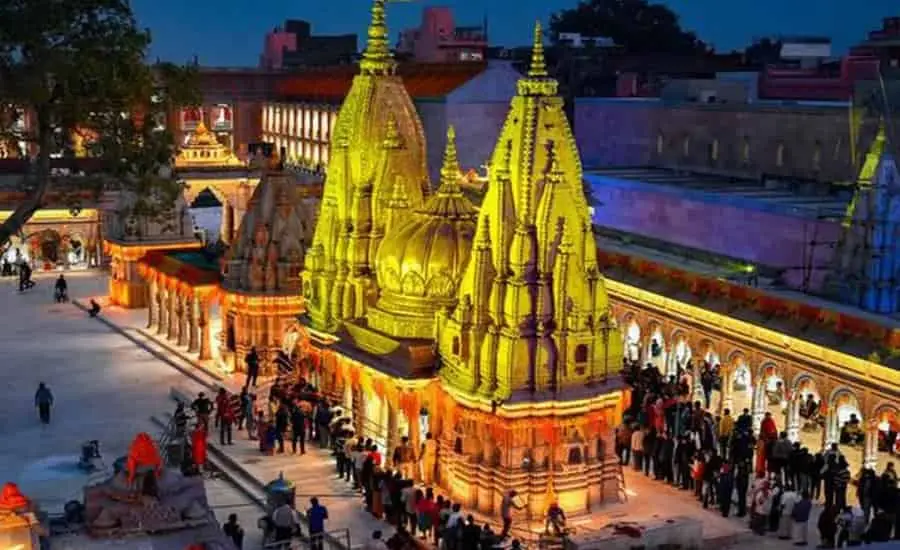
The present temple was rebuilt in 1780 by Maharani Ahilyabai Holkar of Indore, and its spires were later covered with gold donated by Maharaja Ranjit Singh. Since 2021, the Kashi Vishwanath Dham corridor connects the temple directly to the Ganga at Lalita Ghat.
Aarti and darshan timings
Five aartis are performed every day. General darshan continues between them, roughly from 4 AM to 11 PM, and is paused for a short while during each aarti.
| Aarti | Approx. time | Good to know |
|---|---|---|
| Mangla Aarti | 3:00 – 4:00 AM | The first aarti of the day; ticket required and sells out early |
| Bhog Aarti | 11:15 AM – 12:20 PM | Midday food offering to the deity |
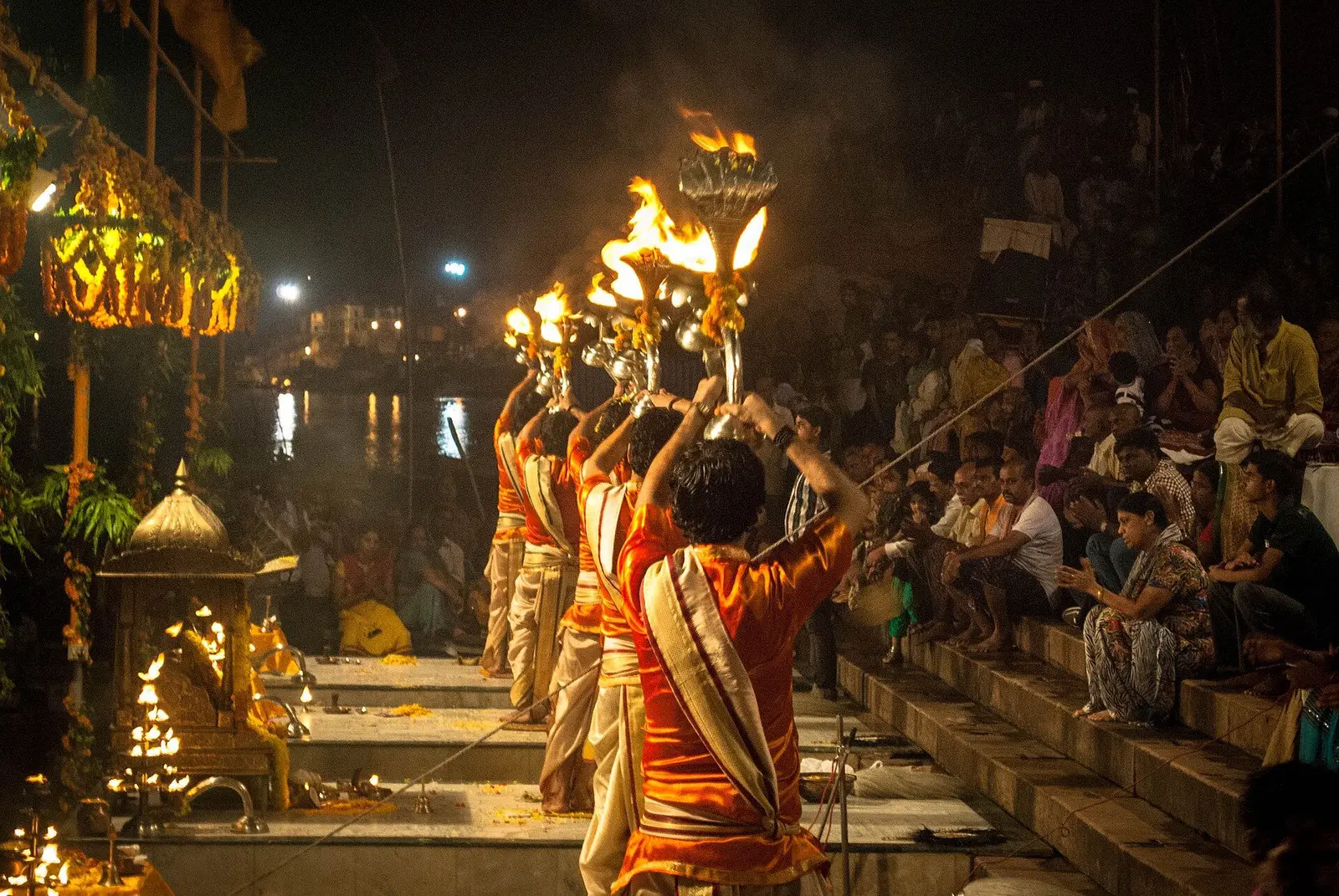
| Saptarishi (Sandhya) Aarti | 7:00 – 8:15 PM | Evening aarti performed by seven priests |
| Shringar Bhog Aarti | 9:00 – 10:15 PM | The deity is adorned and offered bhog |
| Shayan Aarti | 10:30 – 11:00 PM | Last aarti; the temple closes after this |
Please note: These are the commonly published timings. They change with the season and on festivals, so always confirm on the official temple website before you go.
Types of darshan
| Type | Cost | How it works |
|---|---|---|
| General darshan | Free | Join the regular queue; no booking needed |
| Sugam darshan | Paid | Separate, faster queue; book online or at the official counter |
| Aarti tickets | Paid | Limited seats for attending an aarti; book well in advance |
How to book online, step by step
- 1Open the official website
Go to the Shri Kashi Vishwanath Temple Trust website (link above). Avoid third-party booking sites.
- 2Register or log in
Sign up with your mobile number and verify it with the OTP.
- 3Choose the service
Pick Sugam darshan or the aarti you want, then the date and time slot.
- 4Add devotee details
Enter each person's name, age and photo ID number exactly as on the ID.
- 5Pay and save the ticket
Pay online, then download the ticket or keep it on your phone before you leave the hotel.
- 6Carry your ID
Bring the same original photo ID; it is checked along with the ticket at entry.
Tip: Mangla Aarti tickets are the most in demand. Book them as early as the website allows, especially for Mondays, Sawan and festival days.
Suggested darshan route
- 1Reach Godowlia
Get an auto or e-rickshaw to Godowlia Chowk; vehicles can't go further. Arrive 30–45 minutes before you plan to join the queue.
- 2Deposit your belongings
Leave phones, bags and footwear at the official cloakroom or locker near your entry gate.
- 3Join the right queue
General and Sugam darshan have separate lines. Follow the signs and ask the security staff if unsure.
- 4Darshan of Baba Vishwanath
Darshan is quick, so offer your prayers calmly and keep the line moving.
- 5Visit Annapurna and the Dham
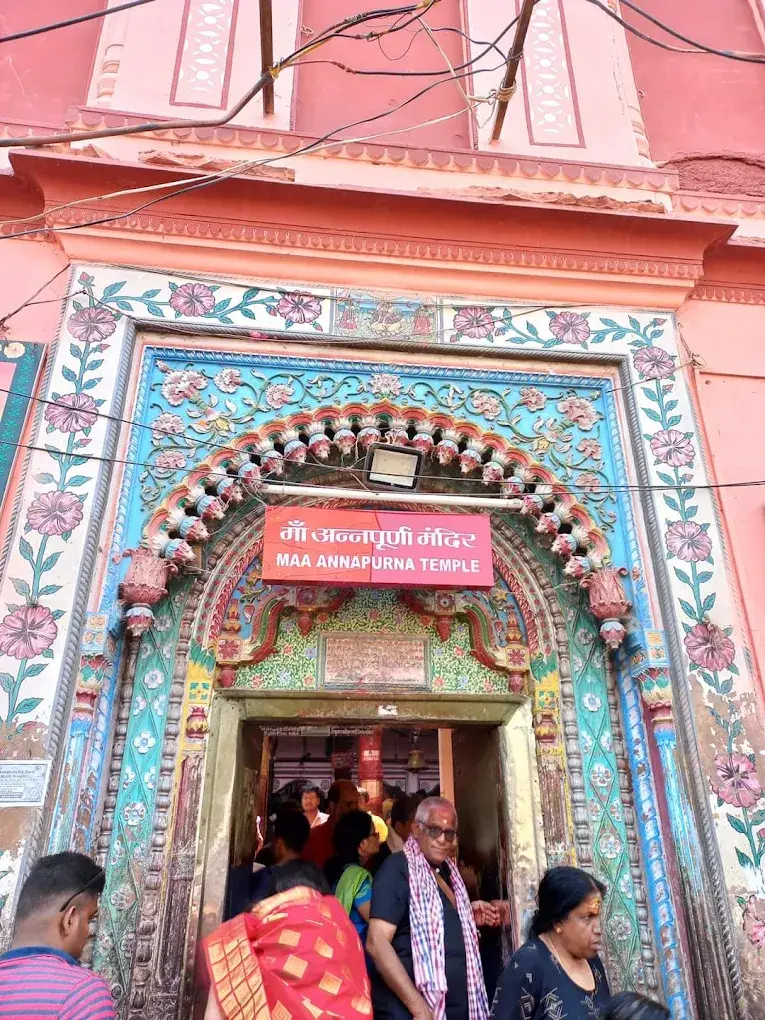
Have darshan at Mata Annapurna nearby, then walk through the corridor's courtyards.
- 6Walk down to the Ganga
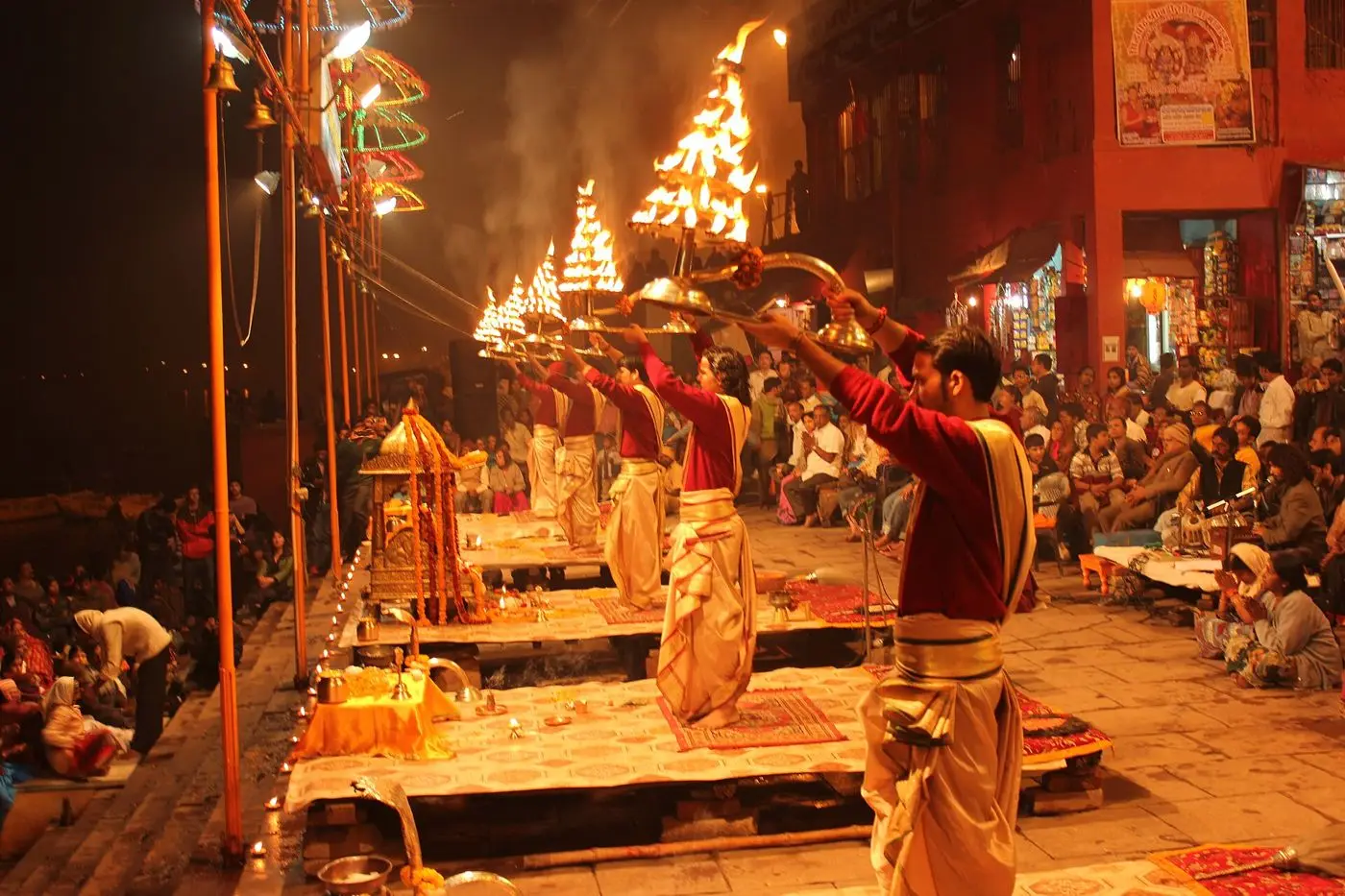
Exit through Ganga Dwar to Lalita Ghat, and stay for the evening Ganga Aarti at Dashashwamedh if you can.
What to carry and what's not allowed
Carry
- Original photo ID (and your ticket, if booked)
- Flowers, bel patra or prasad bought near the temple
- A little cash for lockers and offerings
- Modest, traditional clothing
- Water and patience on busy days
Not allowed
- Mobile phones and smartwatches
- Cameras and other electronic devices
- Bags, backpacks and purses
- Leather belts and wallets
- Footwear beyond the entry point
When is it least crowded
- Busiest: Mondays, the whole month of Sawan, Mahashivratri, Dev Deepawali and long weekends.
- Calmest: weekday early mornings, soon after Mangla Aarti, and early afternoons.
- Evenings fill up as people combine darshan with the Ganga Aarti.
Avoid touts and scams
Near the temple, you may be approached by people offering 'VIP darshan', 'quick darshan' or a special puja for cash. All official services are available only on the temple website or at the official counters, and temple staff never ask for money to skip the queue.
Please note: Politely say no and keep walking. If someone insists, ask the nearest police or temple security staff for help.
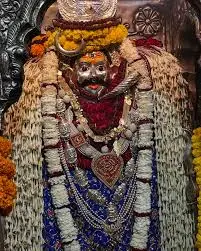
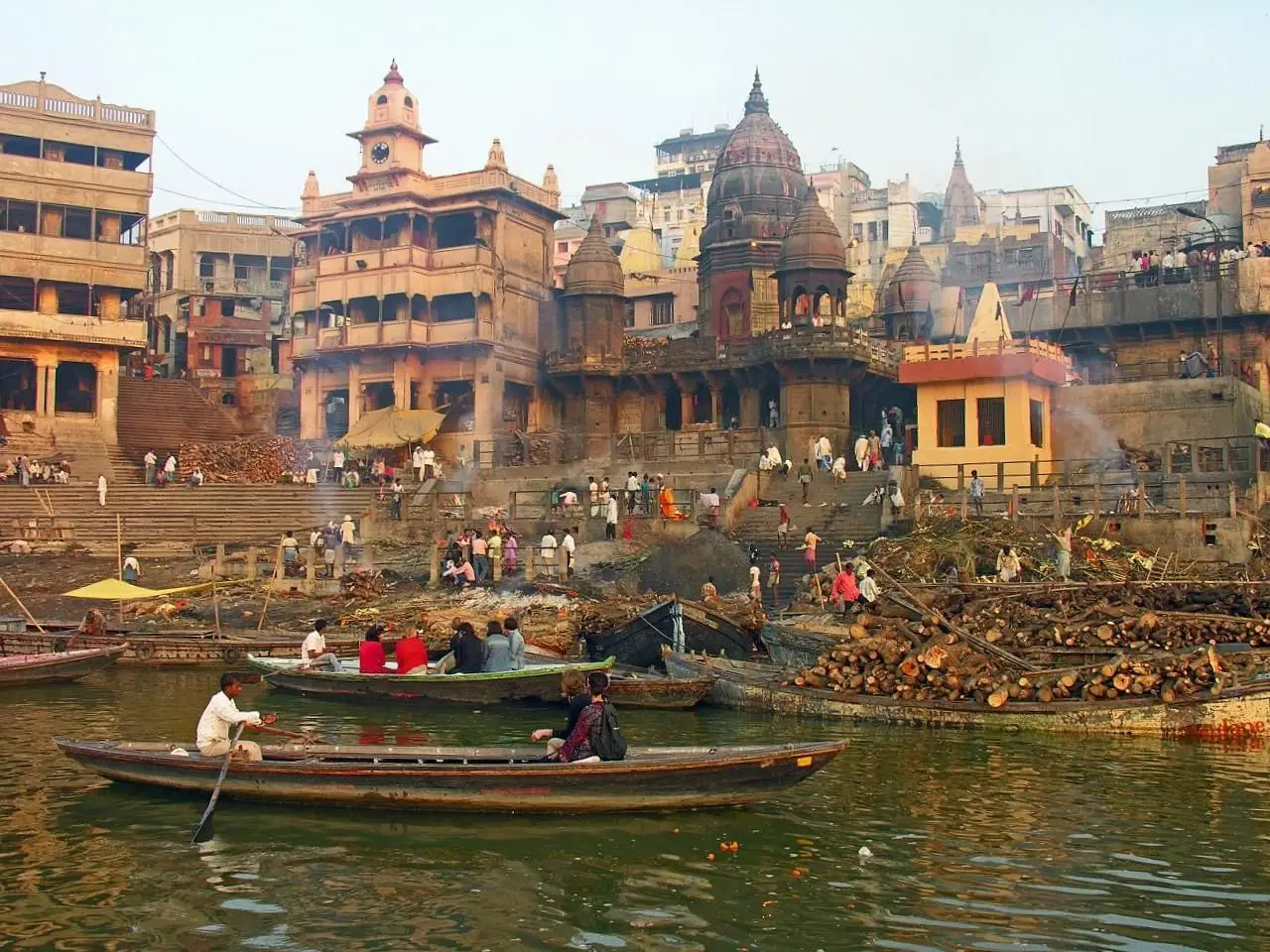
Combine with nearby temples and ghats
Location and how to reach
The temple is in Vishwanath Gali, about 1 km from Godowlia Chowk. Varanasi Junction (Cantt) railway station is about 5 km away, and Lal Bahadur Shastri Airport is about 25 km away. From the river side, you can walk up from Lalita Ghat through Ganga Dwar.
Frequently asked questions
Is Kashi Vishwanath darshan free?
Yes, general darshan is free. Sugam darshan and aarti tickets are paid and can be booked on the official website.
How long does darshan take?
On normal days general darshan usually takes 30 minutes to 2 hours. On Mondays, in Sawan and on festivals it can take several hours.
Can I take my mobile phone inside?
No. Phones, smartwatches, cameras and bags are not allowed. Use the cloakroom or locker near the entry, or leave them at your hotel.
Is there a dress code?
Wear modest, traditional clothing that covers shoulders and knees. Special rituals may have their own dress rules, which are listed when you book.
Is there help for elderly or differently-abled devotees?
Yes. The Dham has wide, step-free paths, and help such as wheelchairs is usually available. Ask at the help desk near the entry.
What is the best time for a peaceful darshan?
Weekday early mornings, just after Mangla Aarti, and early afternoons are usually the calmest.